

Plasmalogens are specialized lipids that constitute a critical structural component of cell membranes, particularly within the nervous system. These molecules are not merely passive barriers but active participants in cellular signaling, antioxidant defense, and membrane fluidity. As we age, the natural production of these lipids declines, leading to compromised cellular integrity and increased oxidative stress. Understanding this biological foundation is essential for anyone seeking to preserve cognitive vitality and neural resilience in later decades.
What Are Plasmalogens and Why Do They Matter?
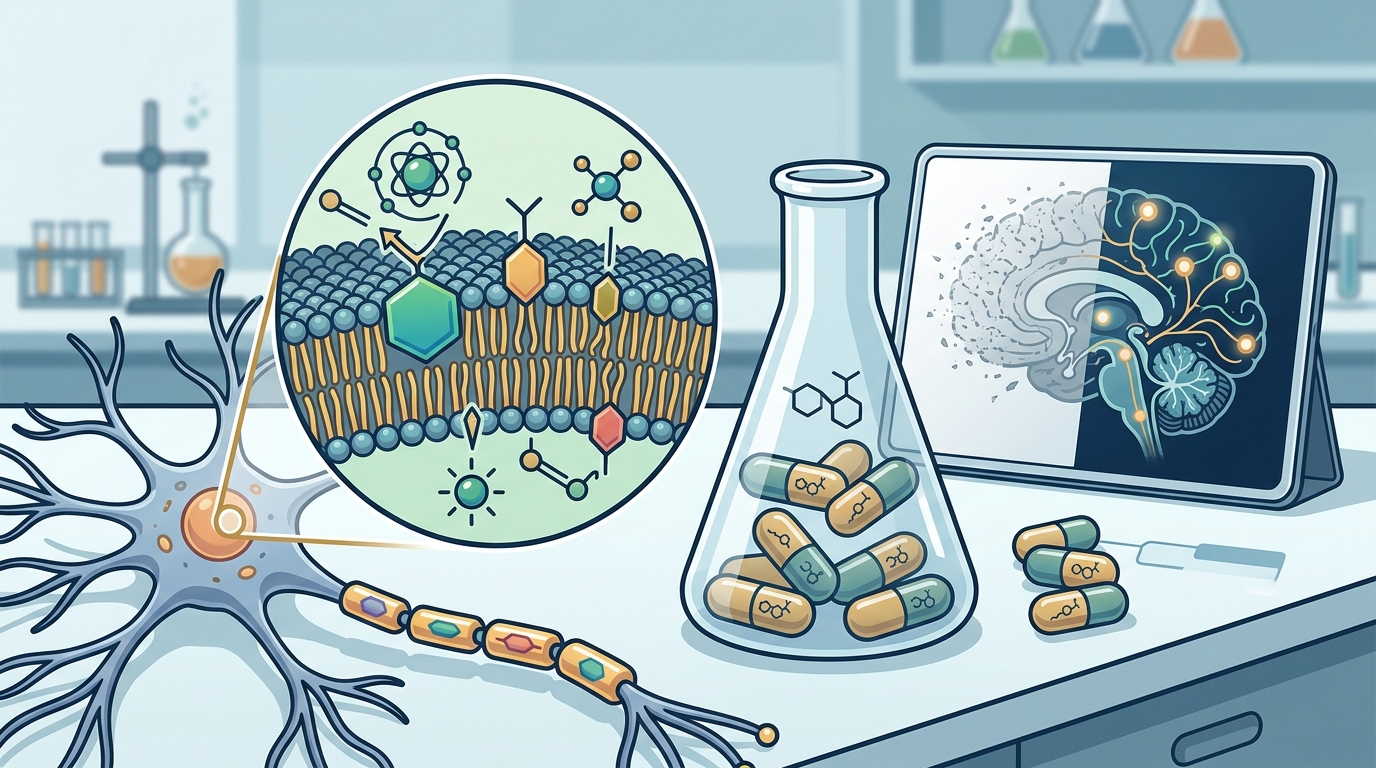
Plasmalogens are a unique class of ether phospholipids found in high concentrations in the brain, heart, and immune cells. Unlike standard phospholipids, they possess a vinyl-ether bond at the sn-1 position, which provides exceptional protection against oxidative damage. This chemical structure allows them to act as sacrificial antioxidants, absorbing free radicals before they can damage essential cellular components.
According to research led by neuroscientist Dayan Goodenowe, PhD, plasmalogens are vital for maintaining the integrity of the myelin sheath. This protective layer insulates nerve fibers, ensuring that electrical signals travel efficiently throughout the nervous system. Without adequate plasmalogen levels, signal transmission slows, leading to cognitive fog and reduced processing speed.
The decline of plasmalogens is a natural part of aging, but the rate of decline varies significantly between individuals. Some people maintain higher levels due to genetic factors or lifestyle choices, while others experience a rapid drop that correlates with early signs of cognitive impairment. This variability highlights the importance of monitoring lipid biology rather than relying solely on standard blood work.
White Matter and Grey Matter Support
The brain is composed of two primary types of tissue, each requiring specific lipid support to function optimally. White matter consists of nerve fibers covered in myelin, while grey matter contains the cell bodies where synaptic processing occurs. Both regions rely heavily on plasmalogens, but in different ways.
White Matter Integrity
White matter plasmalogens provide the structural support necessary for myelin stability. They help maintain the insulation around nerve axons, preventing signal leakage and ensuring rapid communication between different brain regions. When white matter plasmalogens are depleted, the myelin sheath can become fragile, leading to slower cognitive processing and increased vulnerability to neurodegenerative conditions.
Grey Matter Functionality
Grey matter plasmalogens play a crucial role in neurotransmission and receptor function. They facilitate the release of neurotransmitters and the activity of receptors, which are essential for learning, memory, and emotional regulation. Maintaining healthy grey matter plasmalogen levels supports the brain's ability to process information and respond to environmental stimuli effectively.
ProdromeGlia™ is specifically formulated to target white matter plasmalogens, supporting the structural integrity of the myelin sheath. Meanwhile, PlasmalogenN3™ focuses on grey matter plasmalogens, enhancing functional support for signaling and neurotransmission. Understanding this distinction is key to selecting the right supplementation strategy for your cognitive goals.
The Link Between Lipid Decline and Cognitive Health
Research indicates that people with high blood plasmalogens were 80% less likely to experience dementia and are proven to live longer. This statistic underscores the profound impact that lipid biology has on long-term brain health. The decline in plasmalogens is not just a marker of aging but a driver of cognitive decline.
As plasmalogen levels drop, cells become more susceptible to oxidative stress and inflammation. This damage accumulates over time, leading to the breakdown of cellular structures and impaired function. In the brain, this process can manifest as memory loss, reduced focus, and difficulty with complex tasks. By addressing lipid decline early, individuals can potentially slow or mitigate these effects.
Standard blood tests often fail to detect early lipid deficiencies because they do not measure plasmalogen levels directly. This gap in conventional diagnostics means that many people are unaware of their lipid status until significant damage has occurred. Advanced biomarker technologies, such as those offered by Prodrome, provide a more accurate picture of cellular health.
Monitoring Lipid Levels with ProdromeScan
To effectively manage cognitive health, it is essential to monitor plasmalogen levels through precise testing. The ProdromeScan™ blood test kit allows individuals to measure their plasmalogen status from the comfort of their home. This data provides a baseline for understanding current lipid biology and tracking changes over time.
Regular testing helps identify trends in lipid decline, allowing for timely interventions. By comparing results over several months or years, individuals can assess the effectiveness of their supplementation and lifestyle strategies. This data-driven approach empowers users to make informed decisions about their cognitive health.
For health professionals, understanding these biomarkers is critical for guiding patient care. The Prodrome Professionals program offers training and resources to help practitioners integrate lipid biology into their clinical protocols. By leveraging advanced biomarker technologies, healthcare providers can offer more personalized and effective care.
Comparing Plasmalogen Supplementation Strategies
Choosing the right plasmalogen supplement depends on individual health goals and current lipid status. Below is a comparison of the primary products offered by Prodrome to help you make an informed decision.
| Product | Primary Focus | Key Benefits | Best For |
|---|---|---|---|
| ProdromeGlia™ | White Matter | Myelin support, structural integrity | Neural insulation and signal speed |
| PlasmalogenN3™ | Grey Matter | Neurotransmission, receptor activity | Cognitive processing and memory |
| PC+ | General Lipid Health | Membrane fluidity, antioxidant defense | Overall cellular resilience |
| ProdromeGLIA-PC+ | Combined Support | White and grey matter synergy | Comprehensive brain health |
Each product is engineered to address specific aspects of lipid biology. ProdromeGlia™ targets the structural needs of white matter, while PlasmalogenN3™ supports the functional demands of grey matter. PC+ offers a broader approach to membrane health, and ProdromeGLIA-PC+ combines both for maximum benefit. Selecting the right product requires an understanding of your current lipid status and cognitive goals.
Key Takeaways
- Plasmalogens are specialized lipids essential for myelin integrity and neurotransmission.
- White matter plasmalogens support the structural stability of the myelin sheath.
- Grey matter plasmalogens facilitate neurotransmitter release and receptor activity.
- High blood plasmalogen levels are associated with an 80% reduction in dementia risk.
- Standard blood tests do not measure plasmalogen levels, necessitating advanced biomarker testing.
- ProdromeScan™ provides a convenient way to monitor lipid biology at home.
- ProdromeGlia™ and PlasmalogenN3™ target different aspects of brain health.
Frequently Asked Questions
What are plasmalogens?
Plasmalogens are a unique class of ether phospholipids found in high concentrations in the brain and heart, providing antioxidant protection and structural support to cell membranes.
How do plasmalogens affect cognitive health?
Plasmalogens maintain the integrity of the myelin sheath and support neurotransmission, both of which are critical for efficient brain signaling and cognitive function.
What is the difference between ProdromeGlia and PlasmalogenN3?
ProdromeGlia targets white matter plasmalogens for myelin support, while PlasmalogenN3 focuses on grey matter plasmalogens for neurotransmission and signaling.
Can I test my plasmalogen levels at home?
Yes, the ProdromeScan™ blood test kit allows you to measure your plasmalogen levels from home, providing valuable data for tracking your lipid health.
Why are plasmalogens important for aging?
Plasmalogen levels naturally decline with age, leading to increased oxidative stress and cellular damage. Supplementing can help mitigate these effects and support long-term brain health.
How does lipid biology relate to dementia?
Research shows that people with high blood plasmalogens were 80% less likely to experience dementia, highlighting the protective role of these lipids against neurodegeneration.
What is the role of peroxisomes in plasmalogen production?
Peroxisomes are the cellular organelles responsible for the initial steps of plasmalogen synthesis. Dysfunction in peroxisomal activity can impair plasmalogen production and lipid metabolism.
Start Your Cognitive Health Journey
Protecting your cognitive health requires a proactive approach to lipid biology. By understanding the role of plasmalogens and monitoring your levels through advanced testing, you can take control of your brain health. Explore the Prodrome product line to find the right supplementation strategy for your needs. Visit the Science Blog for more insights into lipid biology and cellular health. Start your journey today.