

Step-by-Step Protocol for Optimizing Brain Health Through Natural Wellness Practices
Recent lipid research indicates that plasmalogen levels decline significantly with age, directly impacting cognitive resilience and cellular integrity. According to data from the National Institute on Aging, maintaining healthy membrane structures is critical for slowing neurodegenerative processes. This guide outlines a rigorous, science-backed protocol to support your brain's natural defense mechanisms.
Understanding Plasmalogens and Cellular Defense
To optimize brain health, we must first understand the cellular architecture that supports it. Plasmalogens are a specific type of ether phospholipid found in high concentrations in the brain and heart. Plasmalogens are the body's first line of defense against oxidative stress at the cellular level. They protect cell membranes from free radical damage, which is a primary driver of aging and cognitive decline.
Every cell in your body is surrounded by a membrane that controls communication and energy flow. When plasmalogen levels drop, this membrane becomes fragile. This fragility impairs mitochondrial function and disrupts neuronal signaling. Research suggests that people with higher blood plasmalogen levels have a significantly lower risk of dementia. This connection highlights why targeting lipid biology is essential for long-term brain health.
Prodrome Science has spent over 30 years studying these lipids. Their work focuses on advancing how health professionals understand lipid biology. By addressing the root cause of membrane degradation, we can support cognitive performance and physical vitality. For more on the science behind these lipids, visit the Prodrome Science Blog.
Phase 1: Baseline Biomarker Assessment
You cannot optimize what you do not measure. The first step in any rigorous brain health protocol is establishing a baseline. Traditional blood work often misses lipid membrane status because it does not measure plasmalogen levels directly. This is why specialized testing is required.
The ProdromeScan™ Blood Test Kit allows individuals to measure their plasmalogen levels from home. This test provides critical data on your current lipid status. It helps determine if you are deficient in the specific lipids needed for brain repair. Without this data, supplementation is often guesswork.
Regular monitoring is essential. Lipid profiles change over time due to diet, stress, and age. Tracking these changes allows you to adjust your protocol dynamically. For those interested in professional-grade analysis, health professionals can access advanced biomarker technologies to guide their patients more effectively.
Phase 2: Targeted Lipid Supplementation
Once you have your baseline, the next step is replenishing depleted lipids. Not all supplements are created equal. The bioavailability and purity of the plasmalogens matter immensely. Prodrome offers a range of specialized products designed to target different aspects of brain health.
ProdromeGlia™ for White Matter Support
White matter plasmalogens provide structural support for myelin. Myelin is the protective layer around nerve fibers that enables efficient signal transmission. ProdromeGlia™ is specifically engineered to support white matter integrity. This is crucial for maintaining cognitive speed and processing power. If you are experiencing brain fog or slow processing, this may be a key area to address.
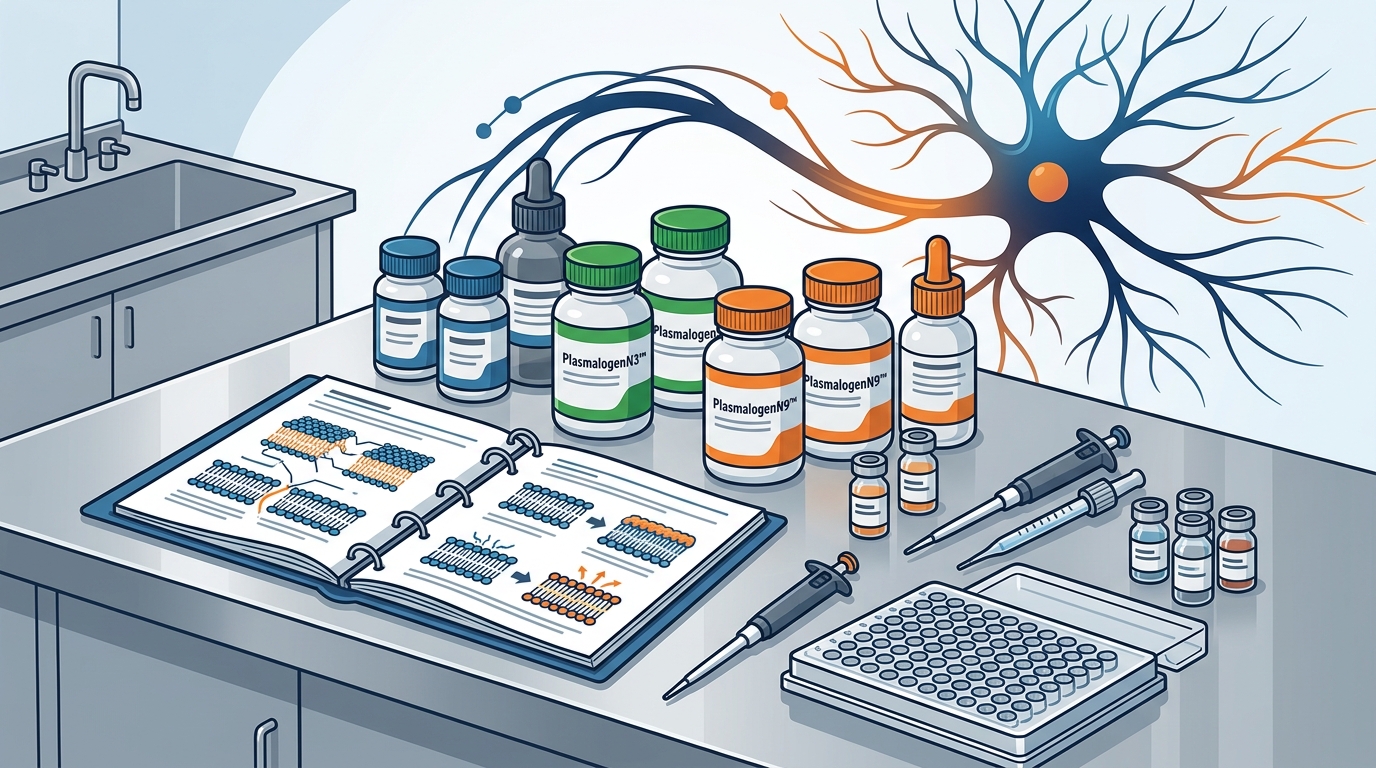
PlasmalogenN3™ for Grey Matter Function
Grey matter plasmalogens are involved in functional signaling and neurotransmission. They support the release of neurotransmitters and receptor activity. PlasmalogenN3™ focuses on optimizing grey matter function. This is vital for memory, learning, and emotional regulation. By supporting both white and grey matter, you create a comprehensive defense system for the brain.
PC+ and Curcuminoid Support
In addition to plasmalogens, supporting methylation and inflammation is critical. Prodrome's PC+ and BDMC™ products offer synergistic support. PC+ supports cellular membrane fluidity, while BDMC™ provides potent antioxidant protection. Together, they create an environment where the brain can thrive.
Phase 3: Nutritional and Metabolic Support
Supplements are powerful, but they work best when supported by a nutrient-dense diet. Your brain consumes about 20% of your body's energy. It requires high-quality fuel to function optimally.
Healthy Fats and Membrane Fluidity
The brain is mostly fat. Consuming healthy fats is essential for maintaining membrane fluidity. Omega-3 fatty acids, particularly DHA, are critical components of neuronal membranes. However, plasmalogens work synergistically with these fats. A diet rich in avocados, olive oil, and fatty fish supports overall lipid health.
Reducing Oxidative Stress
Oxidative stress damages cell membranes and depletes plasmalogens. Antioxidant-rich foods help neutralize free radicals. Berries, leafy greens, and nuts are excellent sources of natural antioxidants. Understanding the role of antioxidants like catalase and SOD can help you choose the right foods to protect your brain.
Methylation and Detoxification
Methylation is a critical process for brain health. It supports neurotransmitter production and DNA repair. Foods rich in B vitamins, such as leafy greens and legumes, support natural methylation. For those with genetic variations, supplementation may be necessary. Always consult with a healthcare provider before starting new supplements.
Phase 4: Lifestyle and Environmental Factors
Brain health is not just about what you eat or take. It is also about how you live. Stress, sleep, and exercise play massive roles in cognitive resilience.
Sleep and Glymphatic Clearance
During sleep, the brain's glymphatic system clears out metabolic waste. Poor sleep disrupts this process, leading to cognitive decline. Prioritizing 7-9 hours of quality sleep is non-negotiable for brain health. A consistent sleep schedule supports the body's natural repair mechanisms.
Exercise and Neuroplasticity
Physical exercise increases blood flow to the brain and promotes the growth of new neurons. Aerobic exercise is particularly effective for boosting plasmalogen levels. Even moderate activity can have significant benefits. Research shows that exercise supports muscle health and brain function simultaneously.
Stress Management
Chronic stress elevates cortisol, which can damage brain cells. Mindfulness, meditation, and deep breathing exercises help lower cortisol levels. Managing stress is essential for protecting your plasmalogen reserves. For more on stress and the myelin buffer, explore the Prodrome Science articles on stress and cortisol.
Key Takeaways
- Plasmalogens are critical lipids that protect cell membranes from oxidative damage and support neuronal signaling.
- Baseline testing is essential for identifying deficiencies and tracking progress in your brain health protocol.
- ProdromeGlia™ and PlasmalogenN3™ target white and grey matter respectively, offering specialized support for cognitive function.
- Nutrition plays a foundational role in membrane health, with healthy fats and antioxidants being key components.
- Lifestyle factors like sleep and exercise are just as important as supplementation for long-term brain resilience.
- Prodrome Science is backed by over 30 years of lipid and metabolomic research led by Dr. Dayan Goodenowe.
- Regular monitoring allows for dynamic adjustments to your protocol, ensuring optimal results over time.
Frequently Asked Questions
What are plasmalogens and why are they important?
Plasmalogens are a type of ether phospholipid found in high concentrations in the brain and heart. They are important because they protect cell membranes from oxidative stress and support mitochondrial function.
How does the ProdromeScan™ test work?
The ProdromeScan™ is a blood test kit that allows you to measure your plasmalogen levels from home. It provides a baseline for your lipid status and helps guide supplementation decisions.
What is the difference between ProdromeGlia™ and PlasmalogenN3™?
ProdromeGlia™ focuses on white matter support and myelin integrity, while PlasmalogenN3™ focuses on grey matter function and neurotransmission. Both are essential for comprehensive brain health.
Can I take plasmalogens with other supplements?
Yes, plasmalogens can be taken with other supplements. They often work synergistically with omega-3s and antioxidants. Always consult with a healthcare provider for personalized advice.
How long does it take to see results from plasmalogen supplementation?
Results vary by individual. Some people feel changes quickly, while others may take months to see significant differences. Consistency is key to rebuilding plasmalogen levels.
Are plasmalogen supplements safe?
Plasmalogens are naturally occurring lipids in the body. Prodrome products are manufactured with high purity and safety standards. However, always consult a healthcare provider before starting new supplements.
What is the role of curcumin in brain health?
Curcumin is a potent anti-inflammatory compound. Prodrome BDMC™ combines curcumin with other compounds to enhance its bioavailability and effectiveness in protecting the brain.
Next Steps for Your Brain Health Journey
Optimizing brain health is a proactive process. It requires understanding your biology, testing your status, and taking targeted action. Prodrome Science provides the tools and knowledge to support you on this journey.
Start by ordering the ProdromeScan™ Blood Test Kit to establish your baseline. Then, explore the plasmalogen product line to find the right support for your needs. For more information on the science, visit the Prodrome Science Blog.
Take control of your cognitive future today. Visit Prodrome.com to learn more and begin your protocol.