

Can Health and Wellness Slow Cognitive Decline in Dementia Patients?
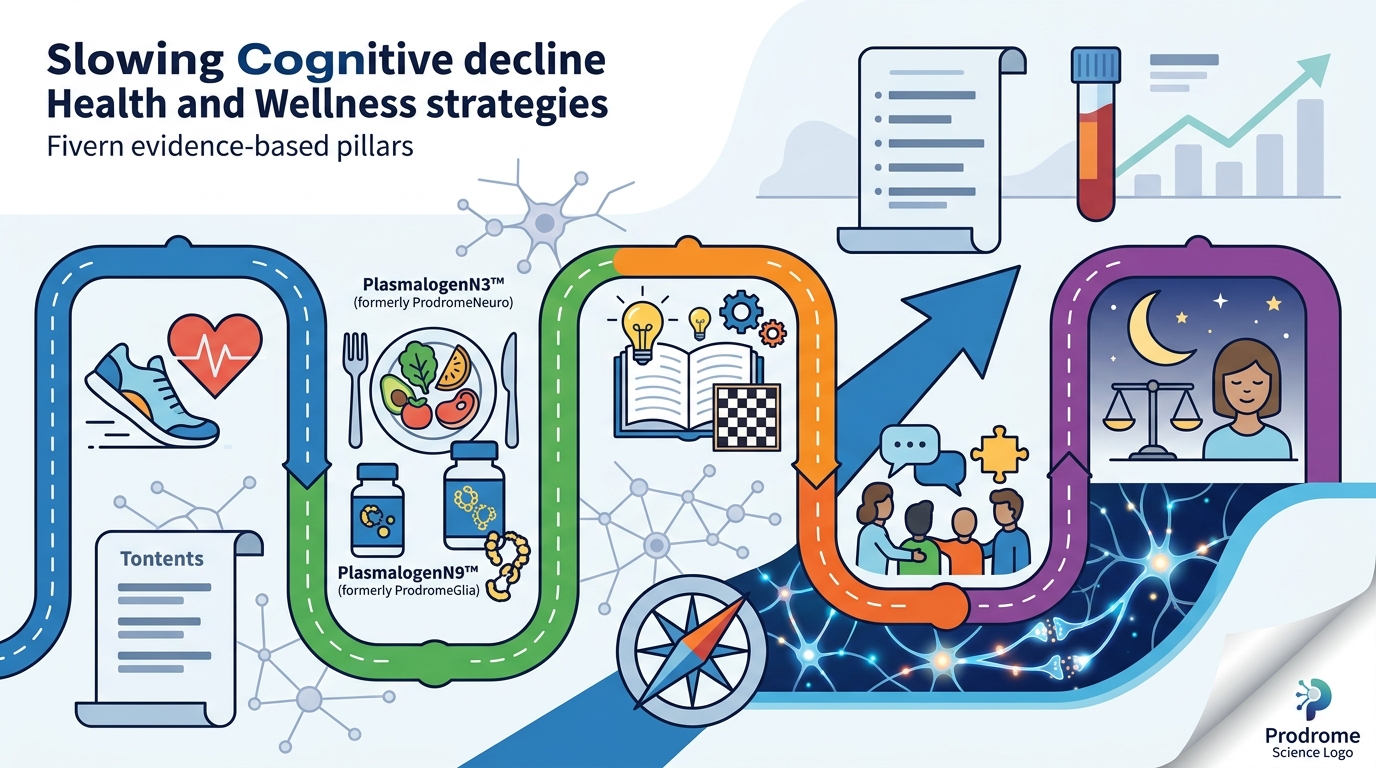
Yes, comprehensive health and wellness strategies can help slow the pace of cognitive decline in individuals living with dementia. While no lifestyle intervention reverses existing neurodegeneration, maintaining cardiovascular health, engaging in regular physical activity, and supporting cellular membrane integrity through targeted nutrition may preserve remaining cognitive function for longer. This guide explores five evidence-based pillars of wellness that support brain health, including how specialized lipid nutrition fits into a broader care plan.
Physical Activity and Brain Resilience
Regular physical movement is one of the most robust lifestyle factors associated with brain health. Exercise increases blood flow to the brain, promotes the release of neurotrophic factors, and supports mitochondrial function. For individuals experiencing cognitive changes, even moderate activity can help maintain mobility and balance, which are critical for independence.
Types of Beneficial Movement
Aerobic exercises, such as walking, swimming, or cycling, improve cardiovascular efficiency and oxygen delivery to neural tissues. Resistance training helps maintain muscle mass, which is essential for preventing falls and supporting overall metabolic health. Balance-focused activities, like tai chi or yoga, can reduce the risk of injury while engaging the cerebellum and vestibular system.
Practical Implementation
Consistency matters more than intensity. A routine of 30 minutes of moderate activity most days of the week is a sustainable goal. Caregivers should adapt activities to the individual's current abilities, ensuring safety and enjoyment. The goal is to keep the body active and the mind engaged in a low-stress environment.
Diet Patterns and Nutritional Support
Nutrition plays a foundational role in cellular health. Diets rich in antioxidants, healthy fats, and anti-inflammatory compounds help protect brain cells from oxidative stress. The Mediterranean and MIND diets are often cited for their potential benefits on cognitive function, emphasizing vegetables, berries, nuts, and healthy oils.
The Role of Lipids in Brain Health
The brain is composed largely of fat, and the integrity of cell membranes is crucial for efficient signaling. Plasmalogens are a specialized class of ether phospholipids found in high concentrations in brain cell membranes, particularly in gray matter and synapses. They support synaptic function, buffer oxidative stress, and maintain membrane fluidity. As we age, plasmalogen levels naturally decline, which may impact cellular resilience.
Targeted Nutritional Approaches
While whole foods provide essential nutrients, some individuals may benefit from targeted supplementation to support lipid biology. Prodrome Science focuses on plasmalogen precursors, which are designed to support the body's natural ability to maintain healthy cell membranes. Products like PlasmalogenN3™ (formerly ProdromeNeuro) provide Omega-3 plasmalogen precursors, while PlasmalogenN9™ (formerly ProdromeGlia) offers Omega-9 precursors. These supplements are intended to support overall wellness and cellular health as part of a balanced lifestyle.
| Nutritional Component | Primary Brain Benefit | Source Examples |
|---|---|---|
| Omega-3 Fatty Acids | Supports membrane fluidity and synaptic signaling | Fatty fish, algae oil, PlasmalogenN3™ |
| Omega-9 Fatty Acids | Supports myelin structure and white matter integrity | Olive oil, avocados, PlasmalogenN9™ |
| Antioxidants | Neutralizes free radicals and reduces oxidative stress | Berries, leafy greens, CoQ10 |
| Phosphatidylcholine | Builds cell membranes and supports neurotransmitter synthesis | Egg yolks, soy lecithin |
Social Engagement and Cognitive Maintenance
Isolation is a significant risk factor for accelerated cognitive decline. Regular social interaction stimulates multiple brain regions, including those responsible for language, emotion, and memory. Engaging in conversations, group activities, and community events helps maintain neural connectivity and provides emotional support.
Quality Over Quantity
Meaningful interactions are more beneficial than passive socializing. Activities that require active participation, such as book clubs, volunteer work, or family gatherings, challenge the brain to process complex social cues. For individuals with advanced cognitive changes, simple, positive interactions can still provide comfort and reduce agitation.
Supporting Caregivers
Caregiver burnout can negatively impact the quality of care. Support groups and respite care services help caregivers maintain their own well-being, which in turn supports a more stable and nurturing environment for the individual. Social engagement is a two-way street that benefits both the person with dementia and their support network.
Cognitive Stimulation and Mental Agility
Mental exercise helps maintain cognitive reserve, which is the brain's ability to adapt and find new ways of working when faced with damage. Engaging in activities that challenge the mind, such as puzzles, music, art, or learning new skills, can help preserve function for longer. The key is to choose activities that are challenging but not frustrating.
Adapting to Changing Abilities
As cognitive abilities change, the type of stimulation should evolve. Early on, complex puzzles or strategy games may be appropriate. Later, simpler activities like listening to music, looking at photo albums, or gardening may be more suitable. The goal is to keep the brain engaged in a positive and rewarding way.
The Role of Routine and Structure
A consistent daily routine provides a sense of security and reduces anxiety. Structured cognitive activities can be integrated into daily life, such as reading the news together or doing a simple puzzle after lunch. This regularity helps maintain a sense of normalcy and purpose.
Cardiovascular Health Management
The brain and heart are closely linked. Poor cardiovascular health, including high blood pressure, high cholesterol, and diabetes, is associated with a higher risk of cognitive decline. Managing these conditions is essential for protecting brain health. Healthy blood vessels ensure adequate oxygen and nutrient delivery to neural tissues.
Monitoring and Management
Regular check-ups with a healthcare provider are crucial for monitoring blood pressure, blood sugar, and cholesterol levels. Medications, when prescribed, should be taken consistently. Lifestyle changes, such as a heart-healthy diet and regular exercise, complement medical management. Prodrome Science offers the ProdromeScan™ blood test, which measures key biomarkers to help assess overall biochemical health and deviations from health, providing insights that can guide wellness strategies.
Why Membrane Health Matters for Vascular Function
Key Takeaways
- Physical activity, diet, social engagement, cognitive stimulation, and cardiovascular health are the five pillars of wellness that can help slow cognitive decline.
- Plasmalogens are specialized lipids in brain cell membranes that support synaptic function and oxidative defense.
- Plasmalogen levels naturally decline with age, but targeted precursors like PlasmalogenN3™ and PlasmalogenN9™ may support cellular membrane health.
- Social interaction and mental exercise help maintain cognitive reserve and emotional well-being.
- Managing cardiovascular risk factors is essential for protecting brain health.
- ProdromeScan™ can help assess biochemical health and guide personalized wellness strategies.
- Consistency and adaptation are key to sustaining these wellness practices over time.
- These statements have not been evaluated by the Food and Drug Administration. This product is not intended to diagnose, treat, cure, or prevent any disease.
Frequently Asked Questions
Can supplements reverse dementia?
No. No supplement, including plasmalogen precursors, can reverse dementia or any neurodegenerative condition. Supplements like PlasmalogenN3™ and PlasmalogenN9™ are designed to support overall cellular health and membrane integrity as part of a healthy lifestyle. They are not treatments for disease.
What are plasmalogens?
Plasmalogens are a unique class of ether phospholipids found in high concentrations in brain cell membranes. They play a role in synaptic function, antioxidant defense, and membrane fluidity. Their levels naturally decline with age.
How do I choose between PlasmalogenN3™ and PlasmalogenN9™?
PlasmalogenN3™ (formerly ProdromeNeuro) provides Omega-3 precursors, which are associated with gray matter and neuronal function. PlasmalogenN9™ (formerly ProdromeGlia) provides Omega-9 precursors, which are associated with white matter and myelin structure. Many individuals use both to support different aspects of brain health. Consulting with a healthcare professional can help determine the best approach.
Is the ProdromeScan™ a diagnostic test?
No. The ProdromeScan™ is not a diagnostic tool. It is a biomarker test that measures key indicators of biochemical health and deviations from health. It provides insights into lipid levels and other metabolic markers that can inform wellness strategies.
How much exercise is recommended for brain health?
The general recommendation is at least 150 minutes of moderate aerobic activity per week, along with muscle-strengthening activities on two or more days. For individuals with cognitive changes, even shorter, more frequent sessions can be beneficial. The key is consistency and safety.
Can diet alone prevent cognitive decline?
Diet is one important factor, but it is not the only one. A comprehensive approach that includes physical activity, social engagement, cognitive stimulation, and cardiovascular health management is more effective than diet alone. Nutrition supports the brain's structural and functional needs, but lifestyle as a whole plays a critical role.
Conclusion
Slowing cognitive decline requires a holistic approach that addresses the brain's structural, metabolic, and environmental needs. By prioritizing physical activity, nutrition, social connection, mental exercise, and cardiovascular health, individuals and caregivers can create a supportive environment that helps preserve function and quality of life. Prodrome Science is committed to advancing the understanding of lipid biology and providing tools that support cellular health. For those seeking to explore targeted nutrition as part of their wellness strategy, to learn more about how plasmalogen precursors and biomarker testing can fit into a personalized health plan. Remember, these statements have not been evaluated by the Food and Drug Administration. This product is not intended to diagnose, treat, cure, or prevent any disease.