

Can Health and Wellness Slow Cognitive Decline in Dementia Patients?
Yes, comprehensive health and wellness strategies can help slow the pace of cognitive decline in individuals living with dementia. While no lifestyle intervention reverses the condition, evidence shows that physical activity, nutrition, and social engagement support brain resilience. This guide explores seven key wellness domains that help maintain cellular health and cognitive function.
Physical Activity
Regular physical movement is one of the most effective tools for supporting brain health. Exercise increases blood flow to the brain, which helps deliver oxygen and nutrients to neural tissues. This process supports the maintenance of healthy cell membranes and overall cellular integrity.
Aerobic and Resistance Training
Aerobic exercises like walking, swimming, or cycling promote cardiovascular efficiency. Resistance training helps maintain muscle mass, which is critical for metabolic health. Combining both types of activity provides a robust foundation for neurological support.
Balance and Coordination
Activities that challenge balance, such as yoga or tai chi, help maintain neural connectivity. These practices support the structural integrity of the nervous system. They also reduce the risk of falls, which is a significant concern for older adults.
Diet Patterns
What you eat directly influences the composition of your cell membranes. A diet rich in healthy fats provides the building blocks necessary for lipid synthesis. This is particularly important for tissues with high metabolic demand, such as the brain.
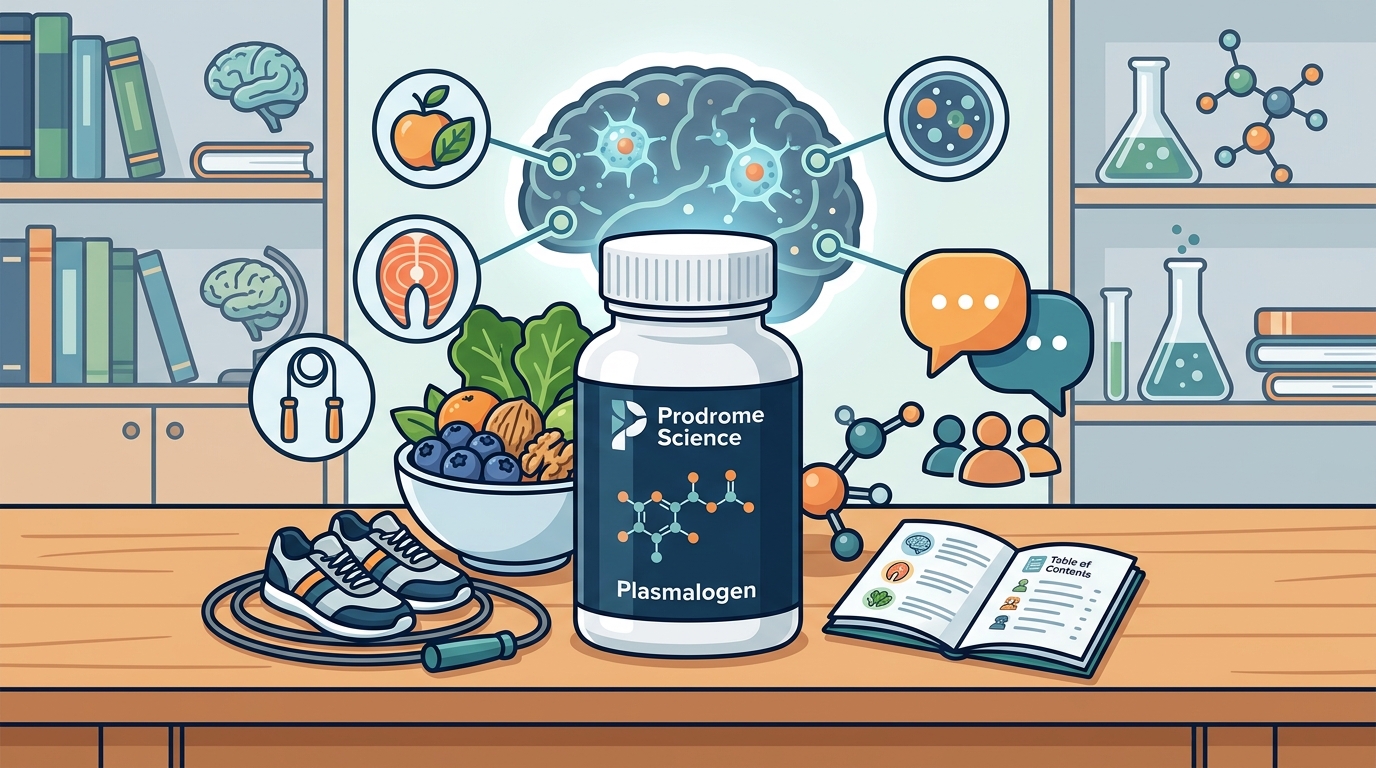
The Role of Lipids
Lipids are structural components of every cell in the body. They help maintain membrane flexibility and stability. When lipid levels are optimal, cells can communicate more effectively. This is why a lipid-focused diet is central to brain wellness.
Reducing Inflammatory Load
Diets high in processed foods and refined sugars can increase systemic inflammation. Chronic inflammation places stress on cellular membranes. Choosing whole foods helps mitigate this stress and supports a balanced internal environment.
Social Engagement
Building Community
Isolation is a risk factor for accelerated cognitive decline. Participating in group activities, such as book clubs or volunteer work, provides regular mental stimulation. It also fosters a sense of purpose and belonging.
Quality Over Quantity
Deep, meaningful interactions are more beneficial than superficial ones. Focusing on a few close relationships can provide significant cognitive and emotional support. These connections help maintain the brain's ability to process complex social cues.
Cognitive Stimulation
Keeping the brain active through challenging tasks helps maintain cognitive reserve. This reserve acts as a buffer, allowing the brain to compensate for age-related changes. Engaging in new and complex activities is key to building this reserve.
Learning New Skills
Learning a new language, instrument, or hobby forces the brain to form new connections. This neuroplasticity is essential for long-term brain health. It helps maintain the flexibility of neural networks.
Problem Solving
Activities like puzzles, strategy games, and reading provide regular mental challenges. These tasks require focus, memory, and executive function. Regular practice helps keep these cognitive domains sharp.
Cardiovascular Health Management
Brain health is inextricably linked to heart health. The brain requires a steady supply of oxygen and nutrients, which are delivered via the cardiovascular system. Managing blood pressure and cholesterol levels is therefore a critical component of cognitive wellness.
Blood Pressure and Lipid Balance
High blood pressure can damage the small blood vessels in the brain. Maintaining healthy lipid profiles supports the integrity of these vessels. This ensures that neural tissues receive the resources they need to function properly.
Monitoring and Maintenance
Regular check-ups help track cardiovascular markers. Working with a healthcare provider to manage these factors is essential. A healthy heart supports a healthy brain by ensuring efficient circulation.
The Mediterranean Diet
The Mediterranean diet is one of the most studied dietary patterns for brain health. It emphasizes plant-based foods, healthy fats, and moderate protein intake. This dietary approach provides a rich source of antioxidants and anti-inflammatory compounds.
Key Components
Central to this diet are olive oil, nuts, fish, and legumes. These foods provide essential fatty acids that support membrane health. The high fiber content also promotes gut health, which is increasingly recognized as a factor in brain function.
Long-Term Adherence
The benefits of the Mediterranean diet are seen over time. Consistent adherence helps maintain a stable internal environment. This stability supports the long-term resilience of neural tissues.
Multidomain Wellness Programs
Research suggests that combining multiple lifestyle interventions yields the best results. Multidomain programs integrate exercise, nutrition, and cognitive training into a single plan. This holistic approach addresses the many factors that influence brain health.
The Power of Integration
Addressing one area of health in isolation is often less effective than a comprehensive approach. For example, exercise combined with a healthy diet can have a synergistic effect on brain function. This integration helps create a supportive environment for cellular health.
Personalized Approaches
Every individual has unique health needs. Working with a healthcare professional can help tailor a wellness plan. This ensures that the interventions are appropriate and sustainable for the individual's lifestyle.
Comparison of Wellness Strategies
| Strategy | Primary Benefit | Key Action |
|---|---|---|
| Physical Activity | Increased blood flow | 30 minutes of daily movement |
| Diet Patterns | Membrane integrity | Focus on healthy fats |
| Social Engagement | Neural connectivity | Regular group interactions |
| Cognitive Stimulation | Cognitive reserve | Learning new skills |
| Cardiovascular Health | Vascular integrity | Monitoring blood pressure |
Key Takeaways
- Physical activity increases blood flow and supports cellular health.
- A lipid-rich diet provides the building blocks for cell membranes.
- Social engagement stimulates multiple brain regions simultaneously.
- Cognitive challenges help maintain neural flexibility and reserve.
- Cardiovascular health is essential for efficient nutrient delivery to the brain.
- The Mediterranean diet offers a comprehensive framework for brain wellness.
- Multidomain programs that combine multiple strategies are most effective.
- Consistency and long-term adherence are key to seeing benefits.
Frequently Asked Questions
Can supplements reverse cognitive decline?
No. Supplements are not a treatment for cognitive decline. They are designed to support normal brain function and cellular health as part of a healthy lifestyle.
What is the role of plasmalogens in brain health?
Plasmalogens are specialized lipids found in high concentrations in brain cell membranes. They help maintain membrane integrity and support cellular communication.
How much exercise is recommended for brain health?
Most health guidelines recommend at least 150 minutes of moderate-intensity activity per week. This can be broken down into 30-minute sessions five days a week.
Is the Mediterranean diet the only effective diet?
No, but it is one of the most well-studied. Other diets that emphasize whole foods and healthy fats may also support brain health.
Can social isolation affect cognitive function?
Yes. Social isolation is associated with a higher risk of cognitive decline. Maintaining regular social connections is an important part of brain wellness.
What is a multidomain wellness program?
A multidomain program is a comprehensive plan that combines multiple lifestyle interventions, such as exercise, diet, and cognitive training, to support overall health.
Are Prodrome supplements a treatment for dementia?
No. Prodrome products are dietary supplements intended to support normal brain function. They are not intended to diagnose, treat, cure, or prevent any disease.
How can I get started with a wellness plan?
Start by consulting with a healthcare provider to assess your current health. Then, gradually incorporate one or two new habits, such as daily walking or a lipid-focused diet.
Conclusion
Slowing cognitive decline requires a comprehensive approach to health and wellness. By focusing on physical activity, nutrition, and social engagement, individuals can support their brain's resilience. Prodrome Science is dedicated to advancing our understanding of lipid biology and providing tools that support cellular health. To learn more about how targeted nutrition can support your wellness journey, explore our plasmalogen supplements or connect with a provider through our Elite Practitioner Directory. These statements have not been evaluated by the Food and Drug Administration. This product is not intended to diagnose, treat, cure, or prevent any disease.