

Neuronal Membranes and Plasmalogens: The Structural Foundation of Brain Health
Neuronal membranes are the physical boundaries that define cell identity and enable communication in the brain. Plasmalogens are specialized ether phospholipids embedded within these membranes that support structural integrity, fluidity, and efficient signal transmission. By maintaining the physical architecture of neural tissue, these lipids help promote healthy cellular function and long-term brain wellness.
The Architecture of the Neuronal Membrane
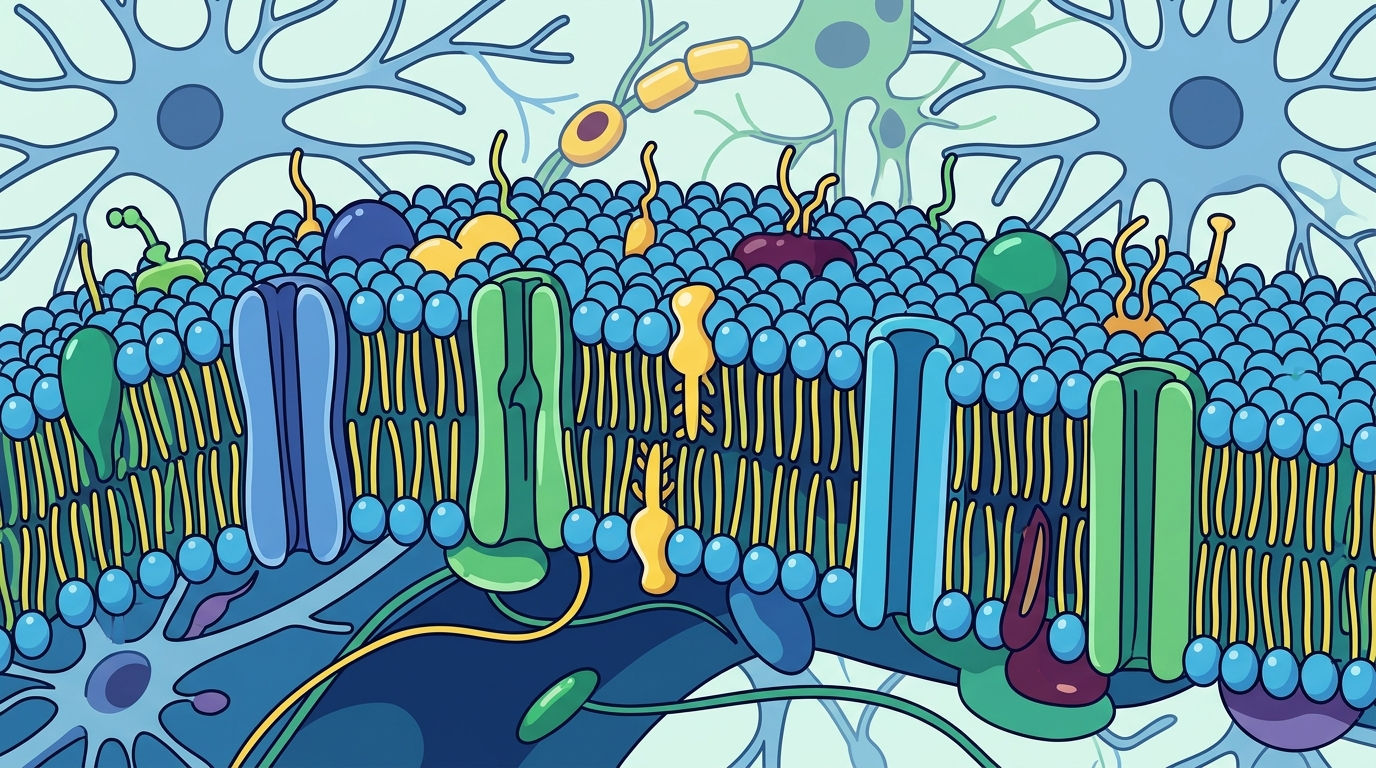
The neuronal membrane is a dynamic lipid bilayer that separates the interior of the neuron from the extracellular environment. This boundary is not a static wall; it is a complex matrix of phospholipids, cholesterol, and proteins that regulates what enters and exits the cell. The physical properties of this membrane, such as its thickness and fluidity, directly influence how quickly and accurately neurons can communicate with one another.
Within this structure, plasmalogens are uniquely positioned. Unlike standard ester-linked phospholipids, plasmalogens contain a vinyl-ether bond at the sn-1 position of the glycerol backbone. This specific chemical configuration allows them to pack differently within the bilayer, contributing to the membrane's overall stability and flexibility. Research indicates that this unique molecular structure is essential for maintaining the proper physical environment for membrane-bound proteins to function correctly.
Plasmalogens as Structural and Functional Components
Plasmalogens are highly concentrated in tissues with high metabolic demands, particularly the brain and heart. In the brain, they are found in significant quantities in both gray and white matter, though their distribution varies by cell type. DHA-type plasmalogens are particularly enriched in neuronal membranes, where they support the structural integrity required for synaptic function. Their presence helps maintain the fluidity necessary for the movement of signaling molecules across the cell surface.
Beyond simple structure, plasmalogens play a critical role in cellular defense. The vinyl-ether bond in plasmalogens acts as a potent antioxidant, helping to neutralize reactive oxygen species before they can damage the membrane. This protective function is vital for neurons, which are long-lived cells that accumulate oxidative stress over time. By buffering oxidative stress, plasmalogens help preserve the functional capacity of the neuronal membrane over the lifespan of the individual.
Differential Roles in Gray and White Matter
The brain is composed of distinct regions with different lipid profiles. Gray matter, which contains the cell bodies of neurons, relies heavily on DHA-based plasmalogens to support synaptic communication and signal processing. White matter, which consists primarily of myelinated axons, depends more on oleic acid-based plasmalogens to maintain the structural integrity of the myelin sheath. This myelin sheath is critical for the rapid conduction of electrical signals along the axon.
Prodrome Science has developed specific supplements to support these distinct lipid needs. PlasmalogenN3™ (formerly ProdromeNeuro) provides Omega-3 plasmalogen precursors designed to support the structural needs of gray matter. Conversely, PlasmalogenN9™ (formerly ProdromeGlia) provides Omega-9 plasmalogen precursors that support the structural integrity of white matter and myelin. By addressing these specific lipid requirements, these supplements help maintain the diverse structural environments found within the brain.
Membrane Integrity and the Aging Process
As individuals age, the composition of cell membranes naturally changes. Plasmalogen levels tend to decrease with age, which can impact the fluidity and stability of the neuronal membrane. This shift in lipid composition is a normal part of the aging process and may influence how cells respond to environmental stressors. Maintaining optimal levels of these specialized lipids is therefore an important aspect of supporting long-term cellular health.
Understanding these changes allows for a more targeted approach to brain wellness. By providing the body with high-quality plasmalogen precursors, individuals can support the natural maintenance of their neuronal membranes. This approach focuses on the fundamental building blocks of cell health, ensuring that the physical infrastructure of the brain remains robust and functional.
Supporting Brain Wellness with Targeted Nutrition
At Prodrome, we believe that brain health is built from the ground up, starting with the integrity of the cell membrane. Our products are designed to provide the specific lipid precursors needed to support the structural and functional needs of neural tissue. Whether you are looking to support gray matter function or white matter integrity, our range of plasmalogen supplements offers a science-based approach to maintaining cellular health.
For those interested in a deeper understanding of lipid biology, we encourage you to explore our educational resources. The Elite Practitioner Program offers advanced training for health professionals who wish to integrate plasmalogen science into their practice. Additionally, you can learn more about the specific benefits of our products by visiting our Plasmalogen Science page. These resources provide the evidence-based context needed to make informed decisions about your brain wellness journey.
Key Takeaways
- Neuronal membranes are dynamic structures that regulate cell communication and protect the neuron from its environment.
- Plasmalogens are specialized ether phospholipids that contribute to membrane fluidity, stability, and antioxidant defense.
- DHA-type plasmalogens are concentrated in gray matter and support synaptic function.
- Oleic acid-based plasmalogens are critical for the structural integrity of white matter and myelin.
- Plasmalogen levels naturally change with age, making targeted nutritional support important for long-term cellular health.
- Prodrome offers specific supplements, such as PlasmalogenN3™ and PlasmalogenN9™, to support these distinct lipid needs.
Frequently Asked Questions
What is a plasmalogen?
A plasmalogen is a specialized type of ether phospholipid found in cell membranes. It is characterized by a vinyl-ether bond at the sn-1 position, which distinguishes it from standard ester-linked phospholipids and contributes to its unique structural and antioxidant properties.
Where are plasmalogens found in the body?
Plasmalogens are found in high concentrations in tissues with high metabolic demands, such as the brain, heart, and immune system. In the brain, they are distributed in both gray and white matter, with different types supporting different structural functions.
How do plasmalogens support brain health?
Plasmalogens support brain health by maintaining the structural integrity and fluidity of neuronal membranes. They help ensure efficient signal transmission between neurons and provide antioxidant protection against oxidative stress, which is crucial for long-term cellular function.
What is the difference between PlasmalogenN3™ and PlasmalogenN9™?
PlasmalogenN3™ (formerly ProdromeNeuro) contains Omega-3 plasmalogen precursors that support gray matter and synaptic function. PlasmalogenN9™ (formerly ProdromeGlia) contains Omega-9 plasmalogen precursors that support white matter and myelin integrity. Each is designed to address the specific lipid needs of different brain regions.
Are plasmalogen supplements safe?
Prodrome products are manufactured in the USA in facilities that follow Good Manufacturing Practice (GMP) standards for safety and purity. As with any supplement, it is advisable to consult with a healthcare provider before starting a new nutritional regimen. These statements have not been evaluated by the Food and Drug Administration. This product is not intended to diagnose, treat, cure, or prevent any disease.