

Research indicates that cellular membrane integrity is the primary determinant of long-term metabolic health and cognitive longevity. According to lipid science, the decline of specific structural lipids begins decades before clinical symptoms appear. This guide explores how targeted daily habits can preserve these critical cellular structures.
Understanding Plasmalogens
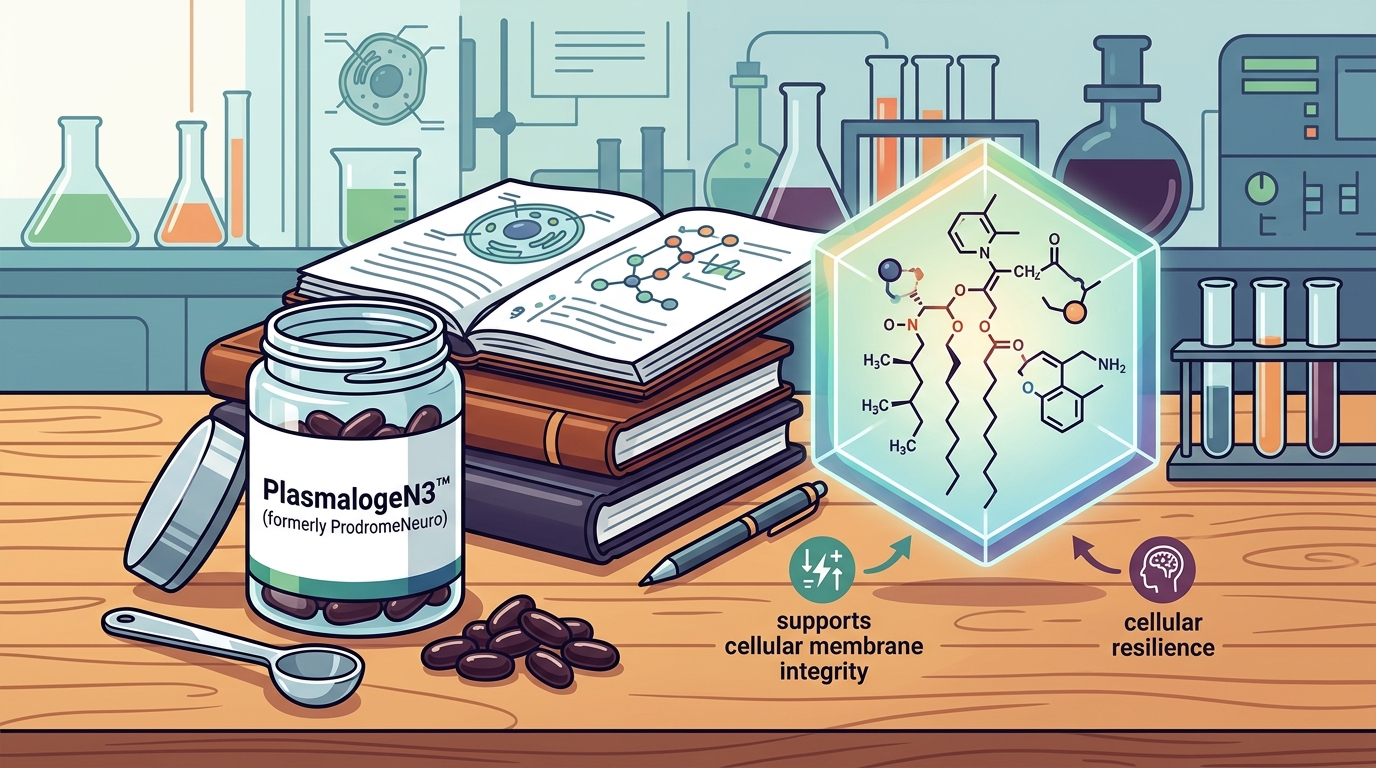
Plasmalogens are a unique class of phospholipids found in high concentrations in the brain, heart, and immune cells. They are not merely structural components but active participants in cellular signaling and antioxidant defense. Plasmalogens are the building blocks of healthy cell membranes, providing essential protection against oxidative damage.
Every cell in the human body relies on these lipids to maintain membrane fluidity and stability. As we age, the body's natural production of plasmalogens declines significantly. This decline is linked to increased inflammation, reduced mitochondrial function, and cognitive decline. Maintaining daily health habits that support plasmalogen levels is therefore critical for long-term vitality.
Unlike standard phospholipids, plasmalogens possess a unique vinyl-ether bond that acts as a sacrificial antioxidant. This bond absorbs free radicals, protecting the rest of the cell from damage. When plasmalogen levels drop, cells become vulnerable to lipid peroxidation, a process that accelerates aging and disease progression.
Dietary Lipid Intake
Diet plays a pivotal role in lipid biology. The standard Western diet is often deficient in the specific precursors required for plasmalogen synthesis. Consuming foods rich in healthy fats is the first step in supporting cellular membrane health.
Essential Fatty Acids
Omega-3 fatty acids are well-known for their anti-inflammatory properties. However, the integration of these fats into cell membranes requires adequate plasmalogen levels. Without sufficient plasmalogens, the benefits of omega-3s may be compromised. Focus on sources like wild-caught fish, algae, and high-quality supplements.
Curcumin and Bioavailability
Chronic inflammation is a major driver of plasmalogen depletion. Curcumin, the active compound in turmeric, is a potent anti-inflammatory agent. Curcumin’s Missing Piece: Why BDMC May Be the Most Overlooked Compound in Turmeric highlights the importance of bioavailability in anti-inflammatory strategies. Without proper formulation, curcumin is poorly absorbed, limiting its impact on cellular health.
Prodrome offers specialized formulations like Prodrome BDMC™ designed to enhance the absorption and efficacy of curcumin. Integrating such targeted nutrition into your daily routine can help mitigate the oxidative stress that depletes plasmalogens.
Oxidative Stress Management
Oxidative stress occurs when there is an imbalance between free radicals and antioxidants in the body. Plasmalogens serve as the first line of defense against this imbalance. Daily habits that reduce oxidative load are essential for preserving these critical lipids.
Sleep and Cellular Repair
Sleep is not merely a period of rest but a critical time for cellular repair and lipid metabolism. During deep sleep, the brain clears metabolic waste products and restores membrane integrity. Poor sleep hygiene accelerates the decline of plasmalogen levels, leading to cognitive fog and increased inflammation.
Stress Reduction Techniques
Chronic stress elevates cortisol levels, which can disrupt lipid metabolism and increase oxidative damage. Practices such as meditation, deep breathing, and regular physical activity help regulate cortisol. Stress, Cortisol & the Myelin Buffer: How to Keep Nerves Calm When Life Gets Loud explores the connection between stress management and nerve health.
By managing stress, you protect the myelin sheath, which is rich in plasmalogens. This protection ensures efficient nerve signaling and maintains cognitive performance over time.
Testing and Monitoring
One of the most effective ways to optimize daily health habits is through precise biomarker testing. Standard blood panels often fail to detect early lipid imbalances. Specialized testing provides a clearer picture of cellular health.
ProdromeScan™ vs. BioMetrix™
Understanding the differences between available testing methods is crucial for accurate health monitoring. What Are the Differences Between ProdromeScan™ and the BioMetrix™ BioScan provides a detailed comparison of these technologies.
ProdromeScan™ allows individuals to monitor their plasmalogen levels from home. This data enables proactive adjustments to diet and supplementation before clinical symptoms arise. Early detection is key to preventing the compounding effects of lipid decline.
Interpreting Biomarkers
High blood plasmalogen levels are associated with longevity and reduced risk of dementia. People with high blood plasmalogens were 80% less likely to experience dementia and are proven to live longer. Tracking these levels helps individuals understand the efficacy of their daily habits.
Professional Guidance
Navigating lipid biology can be complex. Working with health professionals who understand membrane health ensures that daily habits are aligned with individual physiological needs.
Elite Practitioner Directory
Prodrome maintains an Elite Practitioner Directory of professionals trained in lipid science. These practitioners can provide personalized protocols for plasmalogen support and oxidative stress management.
Education and Resources
Continuous education is vital for both patients and practitioners. Prodrome Science Blog offers in-depth articles on topics such as muscle health, hormone signaling, and the role of peroxisomes in lipid metabolism. Accessing these resources helps individuals make informed decisions about their health.
Key Takeaways
- Plasmalogens are critical structural lipids that protect cell membranes from oxidative damage and support cognitive function.
- Dietary precursors are essential for plasmalogen synthesis, with curcumin and omega-3s playing key roles in reducing inflammation.
- Oxidative stress accelerates lipid decline, making sleep and stress management vital components of daily health habits.
- Specialized testing like ProdromeScan™ provides accurate biomarker data that standard panels often miss.
- High blood plasmalogen levels correlate with longevity, with studies showing an 80% reduction in dementia risk.
- Professional guidance ensures personalized protocols for optimal lipid biology and cellular resilience.
- Prodrome BDMC™ enhances curcumin bioavailability, offering a targeted approach to anti-inflammatory support.
Frequently Asked Questions
What are plasmalogens and why are they important?
Plasmalogens are a unique class of phospholipids found in high concentrations in the brain and heart. They are important because they protect cell membranes from oxidative damage and support cellular signaling and energy production.
How do plasmalogen levels decline with age?
Plasmalogen levels naturally decline as we age due to reduced synthesis and increased oxidative stress. This decline is linked to cognitive decline, inflammation, and reduced mitochondrial function.
Can diet increase plasmalogen levels?
Diet can support plasmalogen levels by providing essential precursors like omega-3 fatty acids and antioxidants. However, direct supplementation may be necessary to restore depleted levels.
What is the difference between ProdromeScan™ and BioMetrix™?
ProdromeScan™ and BioMetrix™ are both biomarker testing platforms, but they differ in their specific methodologies and the types of lipids they measure. ProdromeScan™ focuses on plasmalogen levels and oxidative stress markers.
How does oxidative stress affect cellular health?
Oxidative stress damages cell membranes, proteins, and DNA. Plasmalogens act as sacrificial antioxidants to protect cells, but chronic oxidative stress can deplete these lipids, leading to cellular dysfunction.
What role does curcumin play in lipid health?
Curcumin is a potent anti-inflammatory agent that helps reduce the oxidative stress that depletes plasmalogens. Enhanced bioavailability formulations like Prodrome BDMC™ ensure effective absorption and impact.
Who should consider using ProdromeScan™?
Individuals interested in preventive health, cognitive longevity, and optimizing their lipid biology should consider ProdromeScan™. It is particularly useful for those with a family history of cognitive decline.
Start Your Journey to Cellular Resilience
Optimizing your daily health habits requires a deep understanding of lipid biology. By focusing on plasmalogen support, oxidative stress management, and precise biomarker monitoring, you can protect your cellular health for the long term. Explore our Plasmalogen Collection to find the right products for your needs. Visit our Science Blog for more insights and partner with us to access professional guidance.